

Oregon lawmakers are moving fast to cap the amount of THC in cannabis edibles after a sharp rise in kids accidentally eating potent gummies and cookies that look exactly like regular candy.
Senate Bill 1548, introduced this week, would limit single servings to just 5 milligrams of THC and total packages to 50 milligrams for adults. Products over those limits would be banned from stores starting January 2026.
The numbers behind the panic are impossible to ignore.
Oregon Poison Center reports calls about children under six who ate cannabis jumped 260 percent between 2019 and 2023. In 2023 alone, they handled 167 cases, with most kids ending up in emergency rooms. Sixteen needed intensive care.
How the new rules would change what you buy
If SB 1548 passes, the days of 100-milligram chocolate bars and mega-packs of gummies are over. Stores could still sell them, but only in child-resistant packaging and only behind the counter for medical patients.
Recreational buyers would face these strict limits:
- 5 mg THC per piece (down from 100 mg allowed today)
- 50 mg THC total per package (down from 500 mg in some products)
- No edibles shaped like animals, people, or fruit
- No bright colors or cartoon branding
Medical patients with an OMMP card could still buy higher-potency items, but everything would need pharmacy-style packaging.
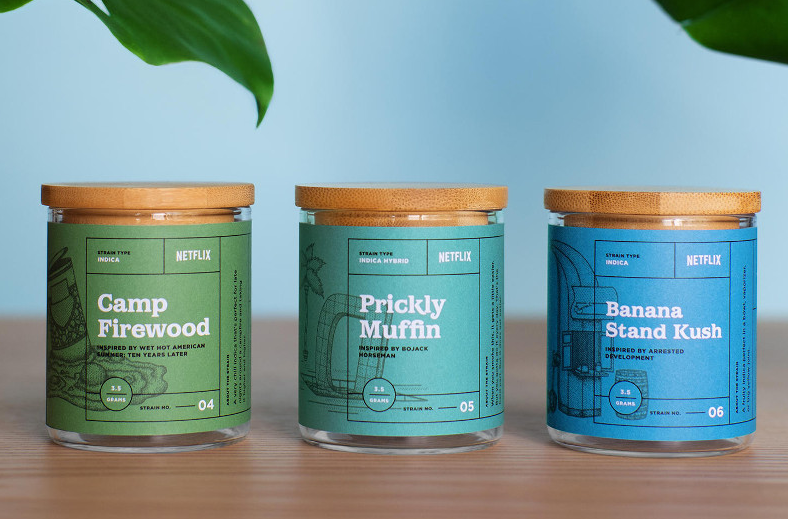
Why parents and doctors are cheering
Dr. Sarah Present, a pediatric emergency doctor at Doernbecher Children’s Hospital in Portland, told lawmakers last month she now sees at least one cannabis poisoning case every single shift.
“These kids come in seizing, not breathing on their own, or completely knocked out,” she said. “Parents have no idea the gummy bear their toddler ate had 50 milligrams of THC.”
A 2023 study from OHSU showed Oregon kids are now four times more likely to end up in the ER from cannabis edibles than from alcohol poisoning.
The industry fights back hard
Cannabis companies packed the first hearing on Tuesday. Owners say the caps will kill small businesses and push customers back to the black market.
Jeremy Sackett, who runs three dispensaries in Eugene, warned the committee that most tourists buy exactly the high-dose edibles that would disappear overnight.
“We’ll lose half our sales on day one,” he said. “People will just drive to California or order online from states that don’t care.”
The Oregon Liquor and Cannabis Commission admits tax revenue could drop by tens of millions if the bill passes as written.
Will the bill actually become law?
The Senate committee already voted 4-1 to move SB 1548 forward. A full Senate vote could happen before the session ends in late February. Governor Tina Kotek has not said if she will sign it, but her office released a statement saying “protecting children is the top priority.”
Similar caps already exist in Colorado, Washington, and New York, and child poisonings have fallen in those states since the rules took effect.
Oregon parents are flooding lawmakers’ inboxes with photos of empty gummy packages found in kindergarten backpacks and stories of toddlers rushed to the ICU.
One mother from Beaverton brought her three-year-old son’s hospital bracelet to the hearing and held it up in silence for thirty seconds. The room went dead quiet.
Lawmakers say they have never seen public support this strong for a cannabis restriction bill.
If the bill passes, Oregon will have some of the toughest edible rules in America starting next year. And the days of walking into a dispensary and grabbing a 100-milligram pack of sour watermelon slices will be gone for good.