
Skip to content
MMJ Gazette
  Thursday 11 June 2026
  • About
  • Contact Us
  • Privacy Policy
  • Terms and Conditions
  • Authors
  • Home
  • News
  • CBD
  • Cannabis
  • Drugs
  • Marijuana
  • Tobacco
  • Law
Trending
June 11, 2026Nabis CEO: Interstate Cannabis Trade Is Still Far Away June 10, 2026Cannabis Seed Brands Are Now Winning the Loyalty War June 9, 2026New Mexico Just Crossed $2 Billion in Cannabis Sales June 5, 2026Alabama Opens First Cannabis Dispensary After 5-Year Wait June 3, 2026Illinois Cannabis Bill Shakes Up Licensing, Eyes DEA Future May 8, 2026FBI Raids Virginia Sen. Lucas Hemp Business May 6, 2026280E Tax Relief: How Far Back for Cannabis? May 1, 2026Missouri Cannabis Cartel Sued Over License Grab April 30, 2026Indiana’s $1.8B Illegal Weed Spend Sparks Legal Fight April 29, 2026Florida Hits Trulieve Over Cannabis Farm Pollution
MMJ Gazette
MMJ Gazette
  • About
  • Contact Us
  • Privacy Policy
  • Terms and Conditions
  • Authors
MMJ Gazette
  Cannabis  OCS: Decline in High-THC Flower Following Launch of Testing Program
CannabisNews

OCS: Decline in High-THC Flower Following Launch of Testing Program

Lars BeckersLars Beckers—April 11, 20240
FacebookTwitterPinterestLinkedInTumblrRedditVKWhatsAppEmail

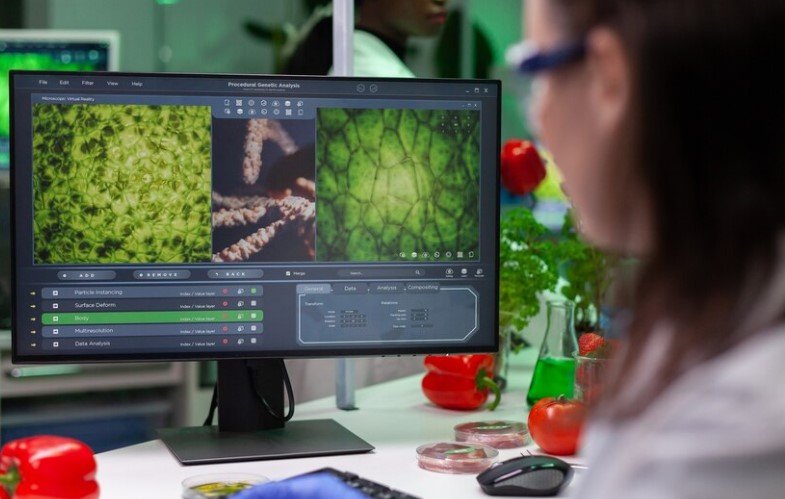
The Ontario Cannabis Store (OCS) has reported a decline in the number of high-THC cannabis flower products available in its catalog. This decrease comes after the launch of a temporary THC testing program earlier this year. Let’s delve into the details:
OCS

The Testing Program

On January 4, 2024, the OCS initiated a temporary THC testing program. Under this program, the provincial cannabis wholesaler selects high-THC cultivars entering its warehouse for secondary testing. The goal is twofold: to verify specific label claims and to address broader concerns about highly inflated THC levels on cannabis product labels.

How It Works

  1. Secondary Testing: High-THC products undergo secondary testing to ensure their THC levels align with what is stated on their labels. Any inconsistencies may lead to further scrutiny, including potential re-labeling or return-to-vendor.
  2. Re-Labeling: Since the program’s inception, several products carried out by the OCS have been re-labeled with lower THC ranges. This adjustment reflects a commitment to accurate labeling and consumer safety.
  3. Acceptable Variance: Products within an acceptable range of variance (±15% from the label claim) are released for sale. For example, a product labeled at 20% THC could fall within approximately 17–23% THC due to this variance.
  4. Disputes and Further Testing: Producers whose products fall outside the acceptable range have five days to dispute the results. If disputed, the OCS sends the product back to the same third-party lab for additional testing. If it fails again, the producer bears the cost of the return.

Industry Concerns

The issue of high-THC products, particularly cannabis flowers, remains contentious. While research typically shows THC percentages in most cannabis flowers to be in the high teens to low twenties, some products on the market advertise well over 30 percent THC—a statistically improbable but not impossible claim. Industry stakeholders, including labs, producers, consumers, and retailers, have called for accurate THC labeling. The OCS’s testing program aims to address these concerns and foster a vibrant cannabis marketplace.

In summary, the OCS’s temporary THC testing program seeks to gather information, evaluate industry reports, and promote testing and sampling standards. By doing so, it contributes to a more transparent and reliable cannabis market.

FacebookTwitterPinterestLinkedInTumblrRedditVKWhatsAppEmail

Lars Beckers

Lars Beckers is a distinguished senior content writer at MMJ Gazette, bringing a wealth of experience and expertise to the realm of medical marijuana and cannabis-related content. With a deep understanding of the industry and a passion for sharing knowledge, Lars's articles offer readers comprehensive insights and engaging narratives in the dynamic world of cannabis. Known for his meticulous research, clarity of expression, and commitment to delivering high-quality content, Lars brings a seasoned perspective to his work, educating and informing audiences on the latest trends and developments in the field.

Federal Agents Seize Legal Cannabis Products in New Mexico
Study Reveals: Majority of Utah Medical Cannabis Patients Turn to Unregulated Sources
Related posts
  • Related posts
  • More from author
Cannabis

Nabis CEO: Interstate Cannabis Trade Is Still Far Away

June 11, 20260
Cannabis

Cannabis Seed Brands Are Now Winning the Loyalty War

June 10, 20260
Cannabis

New Mexico Just Crossed $2 Billion in Cannabis Sales

June 9, 20260
Load more
Leave a Reply Cancel reply

Your email address will not be published. Required fields are marked *

SEARCH
PROMOTIONS
RECENT POSTS
  • Nabis CEO: Interstate Cannabis Trade Is Still Far Away
  • Cannabis Seed Brands Are Now Winning the Loyalty War
  • New Mexico Just Crossed $2 Billion in Cannabis Sales
  • Alabama Opens First Cannabis Dispensary After 5-Year Wait
  • Illinois Cannabis Bill Shakes Up Licensing, Eyes DEA Future
  • FBI Raids Virginia Sen. Lucas Hemp Business
  • 280E Tax Relief: How Far Back for Cannabis?
  • Missouri Cannabis Cartel Sued Over License Grab
  • Indiana’s $1.8B Illegal Weed Spend Sparks Legal Fight
  • Florida Hits Trulieve Over Cannabis Farm Pollution
    © MMJ Gazette. 2024
    • About
    • Contact Us
    • Privacy Policy
    • Terms and Conditions
    • Authors