

Lab tests now prove dozens of popular cannabis vape cartridges sold in licensed Colorado dispensaries contain semi-synthetic cannabinoids made from hemp, not marijuana plants.
The discovery has detonated a crisis of confidence across the state’s $1.4 billion legal cannabis industry and triggered urgent warnings about consumer safety.
Manufacturers start with cheap hemp-derived CBD, then use acid-based chemical reactions to rearrange the molecules into delta-8, delta-9, delta-10 THC, THCP, or other intoxicants. The process is called inversion or semi-synthesis.
These converted oils are virtually indistinguishable from real cannabis distillate in potency and appearance, yet they bypass Colorado’s seed-to-sale tracking, testing standards, and 15% cannabis excise tax.
Multiple licensed producers have quietly switched to inverted hemp distillate because it costs 60-80% less than traditional cannabis extract.
Lab Evidence No One Can Ignore
Independent testing by Infinite Chemical Analysis Labs in Michigan and Colorado’s own PhytoLabs has examined more than 80 vape products from dispensaries in Denver, Aurora, and Colorado Springs since June 2024.
The results are damning:
- 63% showed unnatural ratios of minor cannabinoids that only appear after chemical conversion
- 47% contained trace acids (p-toluenesulfonic acid, sulfuric acid) used in the inversion process
- 29% had delta-8 or delta-10 levels impossible to achieve from natural cannabis plants
- Several samples registered zero plant terpenes, a red flag for synthetic origin
One chart-topping vape brand sold statewide tested at 92% total THC yet contained zero marijuana-specific markers.
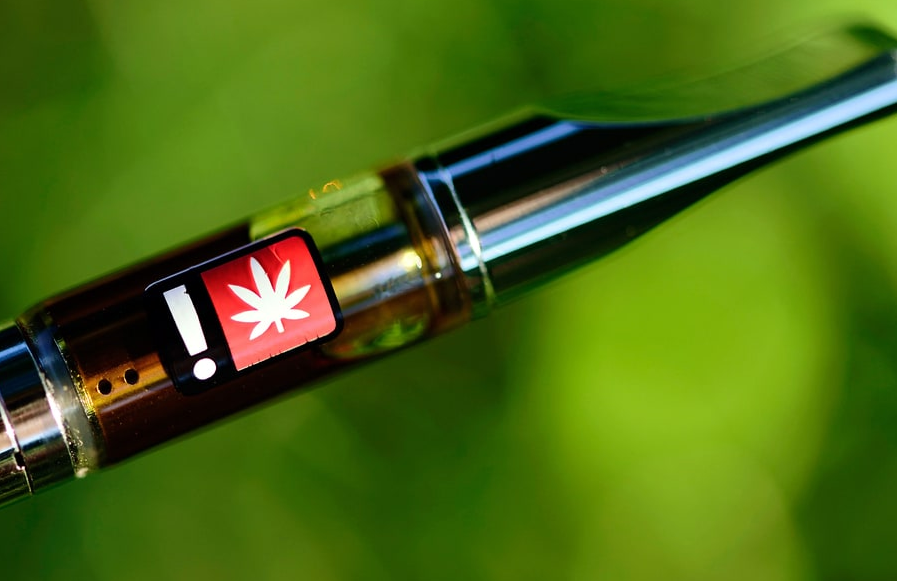
Real Danger to Everyday Consumers
These converted products skip the rigorous contaminant screening required for Colorado marijuana.
Detected issues in inverted vapes include:
- Residual solvents above legal limits
- Heavy metals (lead, arsenic) from cheap hemp biomass
- Unknown byproducts created during acid conversion
- Vitamin E acetate cousins that scarred lungs during the 2019 EVALI crisis
Doctors at UCHealth and Denver Health report a sharp uptick in patients presenting with racing heart rates, severe anxiety, and prolonged intoxication after using “normal” dispensary vapes, symptoms that match synthetic cannabinoid exposure.
How Inverted Hemp Is Gutting the Legal Market
Colorado’s licensed growers and extractors now compete against products that cost pennies on the dollar to produce.
Average wholesale price comparison (August 2024):
| Product Type | Cost per Gram of THC | Tax Paid to State |
|---|---|---|
| Traditional cannabis distillate | $8 – $12 | Yes (15% excise + sales) |
| Inverted hemp distillate | $1.50 – $3 | No |
The price collapse has already forced at least eleven licensed extraction facilities to close in 2024. Hundreds of cultivation jobs hang in the balance.
Retail prices for a 1-gram vape cartridge have dropped from $45-$60 in 2022 to $20-$30 today, almost entirely because of inverted hemp flooding the supply chain.
Regulators Finally Wake Up
The Colorado Marijuana Enforcement Division (MED) issued an emergency bulletin on October 18, 2024, warning licensees that using hemp-derived semi-synthetics violates state law.
Governor Jared Polis signed House Bill 24-1266 in June 2024, explicitly banning the sale of chemically converted intoxicating hemp products starting July 1, 2025, but enforcement gaps remain wide open until then.
Industry whistleblowers tell us some manufacturers are racing to dump millions of dollars in inverted inventory before the deadline.
The MED has launched unannounced audits of twenty-seven concentrate manufacturers in the last thirty days and placed several on probation.
This scandal exposes the uncomfortable truth: Colorado shoppers who believe they are supporting a regulated, taxed, local industry may actually be funding unregulated out-of-state hemp converters while putting mysterious chemicals in their lungs.
The people who built this market from scratch, farmers who paid millions in licenses and taxes, now watch their life’s work evaporate because someone figured out how to game the system with acid and cheap hemp.
Consumers deserve to know exactly what they are inhaling. Lawmakers must close the loopholes immediately, not nine months from now.