

Congress is quietly inching forward on cannabis policy, and the fiscal 2026 budget bills reveal something unexpected: a bit of bipartisanship on medical marijuana, but clear divisions on rescheduling and enforcement—especially when it comes to international actors suspected of backing illegal grows.
Both the House and Senate versions of the Commerce, Justice, Science, and Related Agencies (CJS) spending bill are taking shape. While lawmakers remain deeply divided over broader cannabis reform, they appear united in continuing a critical safeguard for state-run medical marijuana programs.
Medical Marijuana Still Sheltered From Federal Interference
This is a rare bright spot for patients and state-regulated providers. For over a decade, a spending provision—known originally as the Rohrabacher-Farr Amendment—has blocked the U.S. Department of Justice from using federal funds to prosecute legal medical cannabis operations. And this year, that protection remains.
The House and Senate bills both include language shielding compliant businesses and patients from federal crackdowns. That’s no small win, considering that federal law still technically treats marijuana as a Schedule I drug.
Just one sentence keeps an entire industry safe:
“None of the funds made available by this Act may be used to prevent any of the States… from implementing their own laws that authorize the use, distribution, possession, or cultivation of medical marijuana.”
The bipartisan support for this clause stands in contrast to the heated debates happening elsewhere in the same bills.
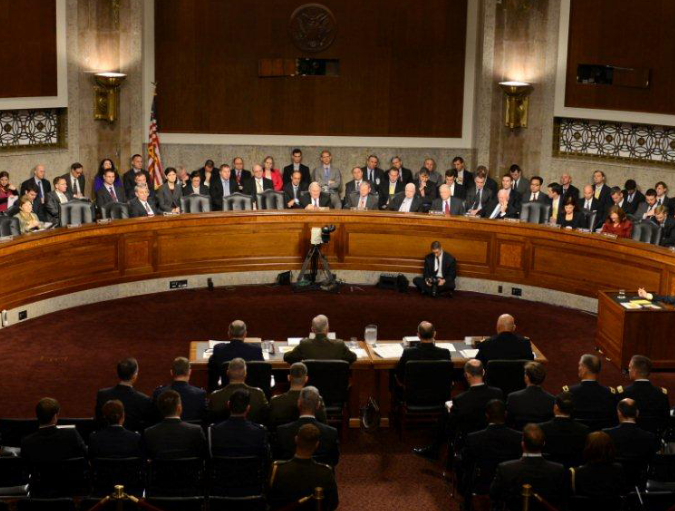
House GOP Tries Blocking Rescheduling — Senate Doesn’t Bite
Back in May, the Biden administration moved to reclassify marijuana from Schedule I to Schedule III—a big deal in regulatory terms. It wouldn’t legalise cannabis, but would acknowledge medical uses and reduce some research restrictions.
Some Republicans in the House didn’t like that. They tried slipping in an amendment to block the Department of Justice from spending money on implementing the change.
But here’s the twist: the Senate version, also Republican-led, didn’t touch the issue at all. That might suggest there’s more openness—or perhaps just less appetite for the fight—on that side of Capitol Hill.
One-sentence insight:
This split suggests rescheduling may not be a priority battleground in budget negotiations, even as it remains politically contentious.
For now, the move to Schedule III remains on track.
Concerns Over Chinese-Linked Illegal Grows Linger
Another issue creeping into cannabis debates this year? Foreign-backed illegal grows, especially those allegedly funded by Chinese investors.
Both federal law enforcement and state officials have reported a rise in suspicious grow operations, often hidden in plain sight in rural areas. These sites frequently bypass safety rules, use stolen electricity and water, and dodge taxes.
Lawmakers are worried. While the CJS bill doesn’t specifically name China, several Republicans have raised national security concerns. Expect further discussion when the House meets this Thursday.
Let’s not forget:
-
Illegal grows strain local infrastructure.
-
Some operations are tied to human trafficking and organised crime.
-
Legal cannabis businesses can’t compete with untaxed product from illicit farms.
Lawmakers from Western states like Oregon and Oklahoma have been particularly vocal about this. The Justice Department may get nudged to investigate more aggressively.
Timeline and What Happens Next
Right now, both versions of the CJS spending bill are moving through committee. The Senate Appropriations Committee passed its version on Thursday. The House version, already cleared in subcommittee, heads to full committee on Thursday.
Here’s a quick snapshot of the timeline so far:
| Date | Action Taken |
|---|---|
| July 15 | House CJS bill gets subcommittee approval |
| July 18 | Senate Appropriations Committee passes bill |
| July 25 (est.) | House committee vote scheduled |
| September | Full floor votes expected |
After both chambers pass their versions, a conference committee will iron out differences. That could be where the bigger marijuana fights emerge—especially if rescheduling gets revisited or more amendments are introduced.
But for now, the focus seems to be on preserving what’s already in place.
A Policy Stuck Between Progress and Stalemate
Congressional handling of marijuana policy feels like a car with one foot on the gas and one on the brake.
Some things are moving. Medical marijuana protections are solid. Rescheduling is proceeding—cautiously. But broader reform? Still stalled.
The mix of bipartisan cooperation and ideological sparring keeps progress slow. One side sees cannabis as a states’ rights issue. The other wants tighter federal control—or outright prohibition. And somewhere in the middle are patients, business owners, and regulators trying to follow two sets of rules at once.
There’s no clear path to national consensus. But in the patchwork of federal budget bills and policy riders, we get a glimpse of the quiet, incremental way cannabis reform happens in Washington.