
Minnesota just flipped the switch on recreational cannabis sales at non-tribal shops, marking a huge win for weed fans who’ve waited years. Crowds lined up early, doughnuts in hand, as dispensaries like Green Goods and RISE opened doors to adults 21 and up. But what’s next for this budding market, and how does it change daily life here?
First Sales Spark Excitement Across the State
The buzz hit hard on Tuesday when Vireo Growth made history with the first legal recreational cannabis sale at its Green Goods spot in downtown Minneapolis. This launch ends a long wait since Minnesota legalized adult-use weed in 2023, but actual sales lagged due to setup hurdles. By Wednesday, RISE Dispensary in Mankato joined in, becoming the first in southern Minnesota to sell to recreational users.
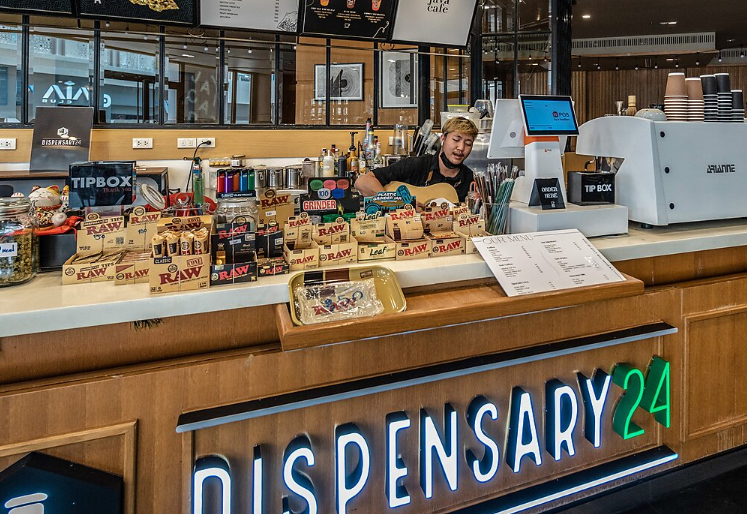
Lines formed before doors opened, with folks like Danny Otero grabbing spots early. Shops handed out doughnuts and info packets to keep the vibe fun and educational. Green Goods and RISE, both former medical cannabis providers, now run 13 locations statewide, from the Twin Cities to spots like Mankato and beyond.
This isn’t just about buying flower or edibles. It’s a shift that lets everyday Minnesotans skip underground deals. Sales started small, but supply from new cultivators should ramp up soon.
One buyer shared the thrill of legal access after years of hoping.
How Legalization Rolled Out Step by Step
Minnesota became the 23rd state to legalize recreational cannabis when Governor Tim Walz signed the bill in May 2023. Possession kicked in on August 1 that year, letting adults hold up to two ounces of flower or eight grams of concentrates at home.
Tribal nations jumped ahead, opening shops like NativeCare on the Red Lake Reservation right away. They didn’t need state licenses, so places in Moorhead and St. Cloud served customers while non-tribal spots waited.
The big delay came from building a full market system, including licenses for growers and sellers. The Office of Cannabis Management finally greenlit expansions this week, letting medical providers flip to recreational. That’s why we’re seeing action now, over two years after legalization.
Home growing has been a lifeline too. Adults can cultivate up to eight plants, four mature, which helped bridge the gap.
Here’s a quick look at key limits for buyers:
- Up to two pounds at home.
- No more than two ounces in public.
- Edibles capped at 800 milligrams of THC per package.
Impact on Economy and Communities
This launch could pump fresh cash into Minnesota’s economy. With a population of about 5.7 million, experts predict a market worth hundreds of millions in sales yearly. Early winners include companies like Vireo and Green Goods, which now blend medical and recreational under one roof.
Local spots feel the ripple. In Mankato, RISE staff noted a steady stream of curious first-timers, some driving from hours away. It boosts jobs too, from budtenders to growers, in a state where unemployment hovers around 3 percent, per recent Bureau of Labor Statistics data from August 2025.
But not everyone’s cheering. Critics worry about road safety and youth access, even with strict ID checks. A 2024 study by the Minnesota Department of Health found no big spike in teen use post-legalization, but monitoring continues.
Communities hit hard by past drug laws get a nod too. The law expunges minor cannabis offenses, clearing records for thousands.
| Aspect | Details |
|---|---|
| Sales Start | September 16, 2025, at Green Goods |
| Locations | 13 total, including Minneapolis, Mankato, St. Cloud |
| Age Limit | 21 and up |
| Purchase Caps | 2 ounces flower, 800mg THC edibles per buy |
| Economic Boost | Potential $500M+ annual market by 2027 (estimated by state analysts) |
Challenges and What’s Ahead
Supply chain kinks might slow things down at first. New cultivators just got licenses, so shelves could run low on variety. Prices start high, like $75 for a half-gram cart, as one grower pointed out, pushing some to home grows or tribal shops.
Regulators aim to fix that. The state plans more licenses soon, including for social equity applicants hurt by old weed laws. By 2026, dozens of new dispensaries could pop up, making access easier and prices fairer.
Public health stays a focus. Education on safe use comes with every sale, and driving high remains illegal, with roadside tests ramping up.
Looking forward, this could inspire neighboring states. Minnesota’s model mixes caution with progress, balancing fun with safety.
Minnesota’s dive into recreational cannabis sales opens a new chapter, blending freedom with rules that aim to protect everyone. From excited lines at dispensaries to economic perks and ongoing tweaks, it’s a move that touches lives statewide, offering legal highs without the old risks.