

Alabama’s medical marijuana program is finally gaining speed after years of roadblocks. Just this week, the state opened registrations for patients, and five doctors can now certify those in need. But legal fights and past scandals have kept cannabis off shelves, leaving growers with product but no buyers. As the program eyes a mid-2026 start, hope rises for thousands seeking relief from chronic pain and other ills.
The push for medical cannabis in Alabama kicked off back in 2021 when lawmakers passed the bill. Voters had shown support, but the rollout turned into a nightmare of court battles and canceled licenses. Growers got their okay to start operations in 2023, yet they sit on unsold crops today because sellers could not get cleared.
One big issue came from claims of inside deals in the licensing process. State officials ran rounds for shops and full-service businesses, only to pull them after lawsuits flew. A Montgomery County judge even paused everything in late 2025 over fairness worries. Patients waited in vain as the Alabama Medical Cannabis Commission juggled appeals and fixes.
This mess cost the state time and trust. By early 2026, frustration boiled over among advocates and those with qualifying conditions like epilepsy or cancer. The delays meant no legal access, pushing some to risky black market options.
Physicians Gear Up to Certify Patients for Cannabis
Doctors in Alabama took a key step forward this year. The state board now lets qualified physicians apply to recommend medical cannabis. As of mid-February 2026, five have earned certification after finishing required training and checks. These pioneers include a Gadsden doctor and two from North Alabama, ready to help patients get cards.
The board requires active licenses and no recent discipline for applicants. Over 60 doctors completed the needed course by late 2025, per the Medical Association of Alabama. More approvals loom in the coming weeks, as the commission pushes to expand the list. This move clears a path for folks to register online, a portal that went live on February 24, 2026.
One certified physician shared that certifying patients feels like a game-changer for end-of-life care. Patients must prove they meet criteria, such as severe nausea from chemo. With more doctors on board, access could spread to rural areas fast.
Legal Wins Clear Path for Dispensary Licenses
Courtrooms shaped much of the drama around Alabama’s medical marijuana setup. In December 2025, the commission awarded four dispensary spots to companies like GP6 Wellness and RJK Holdings. Three got their licenses issued on January 8, 2026, allowing them to set up in cities such as Birmingham and Mobile. But one stayed on hold due to ongoing suits, until an appeals court stepped in on February 6, 2026, and tossed a block on the whole process.
This ruling means licensing can resume without lower court hurdles. The fourth dispensary, tied to Yellowhammer Medical, now faces fewer barriers. Regulators extended a brief pause in January for reviews, but the green light from judges speeds things up. Nine cities stand approved for shops, from Huntsville to Dothan.
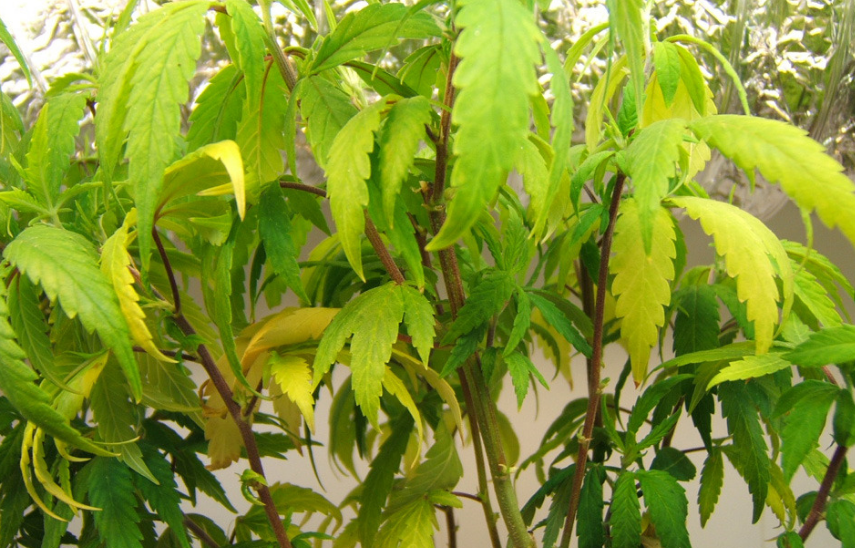
Growers, licensed since 2023, welcome the news. They have built facilities and planted crops, all compliant with state rules on THC limits and testing. Yet without dispensaries, sales stayed at zero. This court boost could let products hit shelves by summer 2026.
To show the bumpy road, here is a quick timeline of major steps:
| Date | Event |
|---|---|
| May 2021 | Medical cannabis law passes Alabama Legislature. |
| 2023 | First cultivator licenses issued; operations begin. |
| Late 2025 | Licensing rounds canceled amid lawsuits. |
| Dec 11, 2025 | Four dispensary licenses awarded. |
| Jan 8, 2026 | Three dispensaries get final approval. |
| Feb 6, 2026 | Appeals court clears licensing blocks. |
| Feb 24, 2026 | Patient registration portal opens. |
What Patients Can Expect from the Rollout
For those eyeing medical cannabis, the process starts with a doctor’s nod. Once certified, patients apply through the state site with proof of residency and condition. Cards cost around $25 yearly, and products stay low in THC to fit state caps. Experts predict a midyear launch, letting folks buy oils, pills, or patches at approved spots by June or July 2026.
Qualifying ailments cover a wide range, from PTSD to Crohn’s disease. The Marijuana Policy Project notes that similar programs in other states eased symptoms for over 80% of users in surveys from 2024. Alabama aims to track outcomes too, with rules for secure transport and lab tests.
Challenges linger, like stocking shelves and training staff. But the commission’s recent moves on ownership changes and rules show commitment. Patients in big cities might see options first, while rural folks wait longer for nearby access. This could change daily lives, offering safer pain relief without opioids.
One key benefit stands out for many.
- Reduced reliance on stronger drugs for chronic issues.
- Better sleep and mood for those with anxiety disorders.
- Legal protection from arrests for possession.
As the program builds, it promises a regulated market worth millions, boosting jobs in farming and sales.
The long wait for Alabama’s medical marijuana finally shows signs of ending, bringing relief to patients battered by delays and doubts. This step forward sparks hope for a system that puts health first, free from the shadows of lawsuits and scandals. It reminds us how persistence pays off in tough fights for better care.