

California cannabis leaders fired off a strong letter this week. They say buyers want drinks packed with THC, not tiny doses under 10 milligrams. A new bill could wipe out most legal options and hurt the market hard.
Top cannabis firms and trade groups sent the letter on April 7 to lawmakers. They target Assembly Bill 2532 from Assemblymember Jacqui Irwin. The bill sets a 10 milligram THC limit per cannabis drink container.
Lawmakers plan a hearing on April 14 in the Assembly Committee on Business and Professions. Chair Marc Berman will lead it. Signers include the California Cannabis Industry Association and Stiiizy.
Caren Woodson heads the industry association. She leads the push with others like Pabst Labs and Embarc. They call the cap a bad move for public health and taxes.
The group lists 11 key players. Each one knows the beverage game well.
Hard Sales Data Backs High-Dose Demand
Buyers in California love stronger drinks. Cannabis beverages pull in $79 million a year from licensed shops.
Products over 10 milligrams THC make $73.6 million. That is 93 percent of sales. Drinks at 100 milligrams alone hit $66 million, or 83.6 percent.
Here is a quick look at the numbers:
| THC Level | Annual Sales | Share of Total |
|---|---|---|
| 10mg or less | $5.4 million | 7% |
| Over 10mg | $73.6 million | 93% |
| 100mg products | $66 million | 83.6% |
Data comes from market trackers like Headset. It covers recent dispensary sales across the state.
Low doses shrink as buyers pick bigger hits. This trend holds steady year after year.
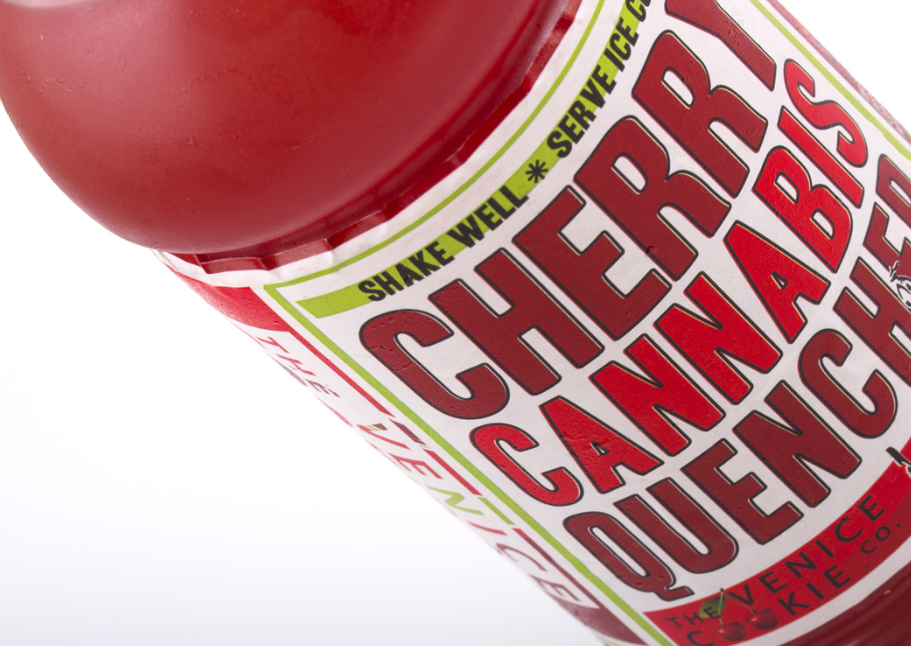
Cap Could Crush a Key Growth Area
The overall cannabis market struggles. Sales fell from $5.35 billion in 2021 to $4.4 billion in 2025. That is a 17.5 percent drop.
Beverages buck the trend. They grew six percent last year. Shops stock them in over 75 percent of locations.
A 10 milligram cap would kill $73.6 million in sales overnight. State taxes would lose about $21 million a year. That includes 15 percent excise tax and seven point two five percent sales tax.
Leaders say illicit sellers would win. Legal drinks need special gear and cold storage. Black market ops can’t match that easily.
Here are main risks they flag:
- New buyers lose an easy entry point.
- Social sipping options vanish.
- Tax cash dries up amid budget woes.
- Shoppers turn to unsafe street goods.
One signer notes beverages aid moderate use. They mimic beer for parties without the hangover.
Safety Wins and Hemp Ban Backdrop
Licensed drinks boast a clean record. Five years of FDA data show zero kid poison cases.
The industry pushes smart fixes instead. They want standard doses, kid-proof caps, and education ads.
California already bans hemp THC drinks. Governor Newsom locked that in last year. Only licensed cannabis spots sell them now.
Lawmakers aim to protect kids and curb over use. But firms say the cap misses the mark. It ignores what buyers pick.
High doses suit regular users with tolerance. Low ones fit booze switchers in other states.
The state tracks just 38 percent of cannabis use. Beverages help grab more tax dollars now.
This fight tests balance. Legal market needs room to grow. Rules must fit real habits.
California cannabis faces a tough choice with AB 2532. Buyers crave high-dose drinks that drive $79 million in sales and key tax revenue. A strict cap risks killing growth, boosting black markets, and costing the state millions, all while safety stays strong in licensed channels.