

Delaware’s new recreational cannabis market promised big bucks and jobs, but seven months in, it’s falling flat. Stores have sold just $29.3 million worth since the August 2025 launch, way under the $281 million yearly goal set by state leaders. This slow pace leaves taxes short and has folks wondering if the green rush will ever hit full speed.
The recreational cannabis market in Delaware kicked off on August 1, 2025, with high hopes. But sales have not kept up. In the first seven months, total retail sales reached only $29.3 million, including both medical and adult-use products. That breaks down to about $4.2 million per month on average.
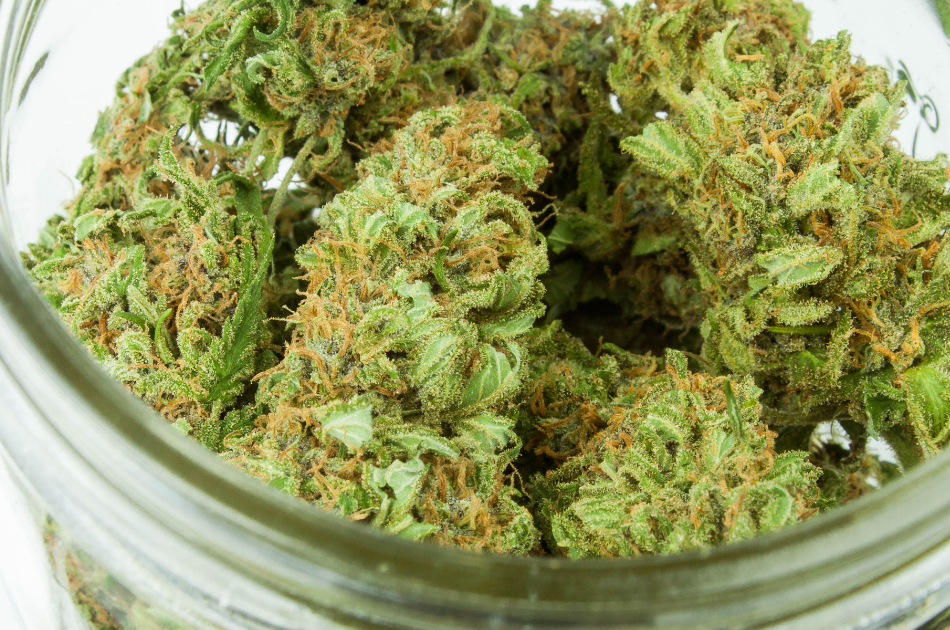
State data shows the first month was the strongest at $7.3 million. Flower products led with over half the sales. Yet, things cooled off quick after that buzz.
One key issue stands out right away. Only a handful of stores could sell at launch. Just 12 dispensaries opened their doors for recreational buyers.
Reasons Behind the Delaware Cannabis Sales Slump
High prices keep many shoppers away. Without local growers and makers yet, most products come from out of state. That drives up costs compared to what folks pay elsewhere.
Delays in handing out licenses play a big role too. The state planned for more cultivation and manufacturing spots, but red tape slowed it down. Experts say the market is not fully rolled out, which caps sales potential.
Competition from the black market adds another layer. Some buyers stick to old ways because legal options feel too pricey or hard to reach.
Here are main factors dragging down Delaware cannabis sales:
- Limited stores: Still fewer than 20 spots statewide.
- No homegrown supply: Reliance on imports keeps prices steep.
- Strict rules: Bans in some towns block new openings.
- Late start: Other states got a head start years ago.
These hurdles hit small business owners the hardest.
How Delaware Stacks Up Against Neighbor States
Delaware sits between two cannabis powerhouses, New Jersey and Maryland. Their markets boom while Delaware lags. This border effect pulls customers across state lines for better deals.
New Jersey sees about $90 million in monthly sales. That’s over 20 times Delaware’s average. Maryland hit $1.1 billion in its first full year after launch, or roughly $91 million a month.
Why the gap? Both neighbors have hundreds of stores and local production. Prices there run lower thanks to more supply.
Take a look at this quick comparison table for the latest monthly averages as of early 2026:
| State | Monthly Sales (approx.) | Number of Dispensaries | Launch Year |
|---|---|---|---|
| Delaware | $4.2 million | Under 20 | 2025 |
| New Jersey | $90 million | Over 400 | 2021 |
| Maryland | $91 million | Around 300 | 2023 |
Delaware’s small size and late entry make it tough to compete. Shoppers in Wilmington or Dover often drive to Philly or Baltimore for cheaper buys.
Future Outlook for Delaware’s Cannabis Market
State officials stay upbeat. They point to upcoming changes that could boost sales. New licenses for growers and makers should roll out soon. That means more local products and lower prices.
The Office of Marijuana Control aims to add dozens more stores by mid-2026. Tax revenue could climb too. So far, the $29.3 million in sales brought in $4.4 million in taxes at the 15% rate.
Industry watchers predict growth. A report from late 2025 by cannabis analysts forecast the U.S. market hitting $47 billion in 2026. Delaware could grab a bigger slice if it speeds up.
But risks linger. If delays continue, frustration grows among license holders. Some entrepreneurs worry about lost chances.
One expert from the Marijuana Policy Project noted in a January 2026 interview that small markets like Delaware need quick action to thrive. Full rollout could double sales in the next year.
Economic Ripples from Delaware Cannabis Sales Woes
The slow cannabis sales affect more than just stores. Expected tax money was set to fund schools and roads. Now, that pot of gold looks smaller. The state misses out on millions that could ease budget strains.
Jobs take a hit too. While launch created some roles, full potential sits untapped. Over 100 cultivation licenses wait in line, each promising dozens of positions.
Local towns feel it. Places that banned dispensaries see no boost, while open areas struggle with low traffic.
On the flip side, this lull gives time to fix issues. Better rules could lead to a stronger market later.
Delaware’s cannabis journey started with promise but hit bumps early. The $29.3 million in sales over seven months shows demand exists, yet barriers hold it back. As more stores open and prices drop, the state could catch up to neighbors like New Jersey and Maryland. This matters for everyday folks, from higher taxes for services to new jobs in their communities. It’s a reminder that big changes take time, but smart steps now build a solid future.