

Ohio’s sweeping crackdown on intoxicating hemp products kicks in today, Friday, March 20, forcing thousands of stores and bars to ditch THC drinks and gummies overnight. A last-minute push to halt Senate Bill 56 flopped when backers fell short on signatures. This law upends a $2 billion hemp scene and tightens rules on the state’s $1 billion legal cannabis trade, hitting small businesses hard.
A group called Ohioans for Cannabis Choice tried to block the law with a statewide vote. They needed almost 250,000 signatures from voters by Wednesday, March 19. The effort came up short after just one month of collecting.
Dennis Willard, a spokesman for the group, blamed the tight timeline. He said it blocked voters from rejecting what he called government overreach. Now, with no ballot fight, the full bill takes force.
Lawmakers like House Speaker Matt Huffman saw the odds stacked against it. He noted the split between hemp sellers and licensed cannabis firms made funding tough.
Hemp Products Face Total Sales Ban Outside Dispensaries
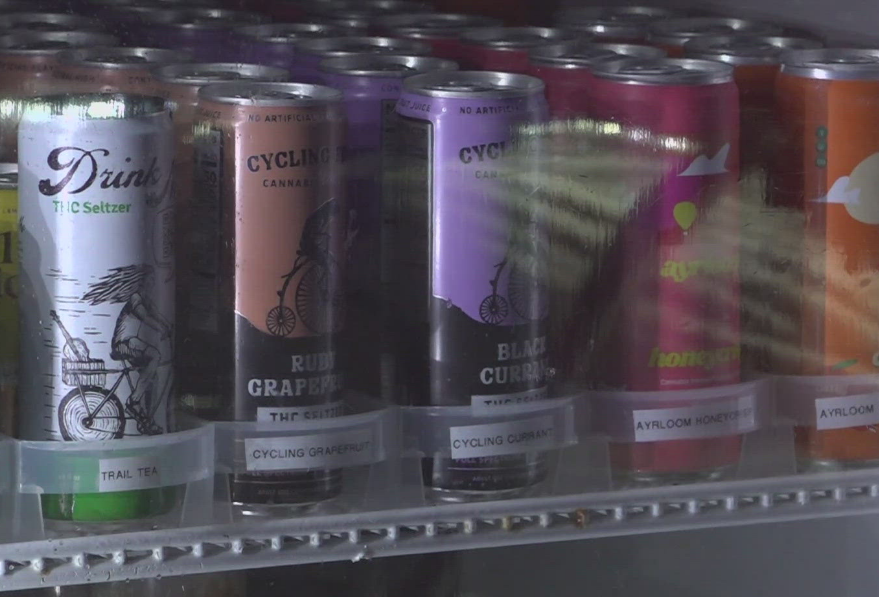
Starting today, Ohio bans sales of intoxicating hemp items like THC-infused drinks and edibles at gas stations, smoke shops, bars, and breweries. These products, often with delta-8 or delta-9 THC over 0.4 milligrams per package, exploited a federal loophole.
The change channels all such goods to licensed cannabis spots only. Breweries purge shelves fast. At places like Cappy’s Taproom, THC drinks made up 25% of sales.
Ohio’s hemp world hit $2 billion last year, per industry watchers. Up to 6,000 small outfits could shutter or pivot. Kira Hinkle, from one bar, called it a revenue killer with last call Thursday.
Unregulated hemp dies outside tight controls.
Licensed Cannabis Gets Caps and Potency Cuts
The bill slaps hard limits on Ohio’s booming legal pot market. Dispensaries now cap at 400 statewide. Rules demand one-mile gaps between shops and 500 feet from schools or churches.
THC levels drop too: flower maxes at 35% and extracts at 70%, down from 90%. Grow sites fall under state watch via the Division of Cannabis Control.
Other tweaks ban public smoking or vaping except at home. Drivers must stash buys in trunks and original packs. Out-of-state dispensary weed turns illegal here.
Sales topped $1 billion in 2025, with adult-use alone near $836 million since August 2024 launch. Local governments now grab tax shares directly.
Here are main license changes:
| License Type | New Cap | Key Rule |
|---|---|---|
| Dispensaries | 400 total | 1-mile buffer, no school proximity |
| Cultivators | Set by state board | Oversight on grow sites |
Industry Split Fuels Heated Debate
Cannabis insiders cheer the cleanup. Dave Bowling of the Ohio Cannabis Coalition said it delivers safe, tested goods as voters wanted in 2023’s Issue 2 win. No more kid access to wild hemp stuff.
Hemp backers cry foul. They say it kills jobs and ignores voter will on looser rules. Gov. Mike DeWine vetoed a grace period for THC drinks through 2026, drawing brewery lawsuits now before the state Supreme Court.
Senator Steve Huffman backs the overhaul. He points to better kid protections and fair taxes for towns.
Brewers and CBD stores scramble. Some eye new paths, but most face empty coolers.
Ohio’s cannabis ride started strong after voters greenlit adult-use. Yet this bill pulls back on home grows beyond six plants and adds crimes for sloppy handling.
The $1 billion pot sales mark came fast, fueled by pent-up demand. Hemp’s $2 billion shadow market drew heat for zero testing.
As bars dump stock, licensed shops gear up for a rush. Expect higher prices but stricter safety.
This shakeup tests families like one business owner’s, who faces doors closing after a decade. They followed rules, yet feel crushed.
Lawmakers aimed to fix voter-approved gaps. DeWine signed it December 19, 2025, after House passage.
One bright spot: Taxes flow quicker to cities now.
Ohio joins states taming hemp chaos ahead of federal shifts in late 2026.
Tough choices loom for consumers hooked on cheap hemp buzz. They turn to dispensaries or quit.
This law blends hope for clean markets with fear over lost spots. Regulated paths promise steady supply, but at what cost to everyday sellers?
In the end, Ohio picks safety over freewheeling sales in a billion-dollar tug-of-war. Families, workers, and users feel the pinch as old ways vanish. What started as voter freedom now bends to state reins, sparking outrage and reluctant nods.