

A groundbreaking study from the University of Houston is shedding light on the unseen microscopic communities living within and around hemp plants. The research could transform the way hemp is cultivated, boosting CBD production, improving fiber quality, and making farming more sustainable.
Exploring Hemp Microbiomes: A Deeper Look
The study, published in Nature, delves into the microbiomes—the diverse groups of microorganisms—associated with the roots and leaves of four different types of hemp. Led by Abdul Latif Khan and his team, including doctoral student Waqar Ahmad, the researchers investigated how these tiny ecosystems vary between hemp varieties grown for fiber and those cultivated for CBD.
Their findings reveal a fascinating diversity in microbial populations. The microorganisms interact closely with the plant, influencing growth, nutrient absorption, and even disease resistance.
Ahmad emphasized the importance of leveraging these insights: “Using nature to boost plant growth could be a game-changer for sustainable farming, reducing the need for chemical inputs.”
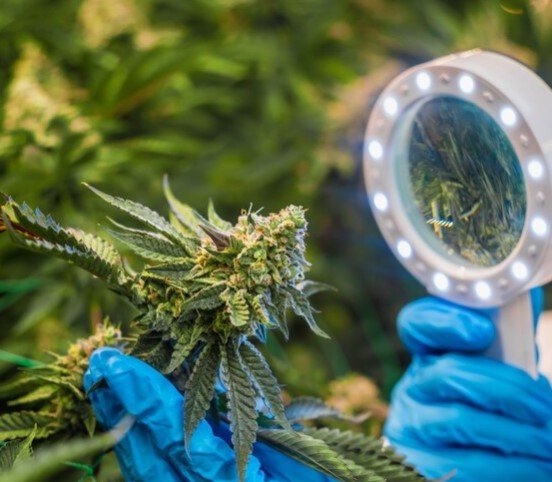
CBD vs. Fiber: Microbial Differences in Action
The comparison of microbiomes in fiber-producing versus CBD-producing hemp highlighted significant variations. Plants grown for CBD seem to attract a unique microbial community, potentially linked to their ability to produce higher concentrations of valuable compounds like cannabinoids and terpenes. On the other hand, fiber-producing hemp hosts microbes that could enhance structural properties.
This difference could pave the way for more specialized breeding programs. By understanding the microbiomes better, growers could cultivate hemp varieties tailored for specific uses, maximizing both yield and quality.
Practical Implications for Farmers and Scientists
The research offers a roadmap for applying these findings in real-world agriculture. The potential applications are vast, and some key possibilities include:
- Improved Hemp Cultivars: Developing plant varieties with enhanced fiber or CBD production capabilities by selecting for beneficial microbes.
- Resilience in Harsh Conditions: Breeding hemp that thrives in challenging environments, such as Texas’ diverse agroecological zones.
- Sustainable Farming Practices: Reducing reliance on synthetic chemicals by harnessing microorganisms to promote plant health and nutrient uptake.
- Commercial Applications: Growing industrial hemp seeds inoculated with helpful endophytes—fungi or bacteria living inside plant cells that enhance growth without causing harm.
These applications could revolutionize hemp farming, benefiting producers and consumers alike.
The Role of Endophytes: Nature’s Hidden Helpers
Endophytes are central to the study’s findings. These microorganisms form symbiotic relationships with the plant, improving nutrient absorption, boosting growth, and potentially enhancing resistance to pests and diseases.
The research suggests that introducing specific endophytes into hemp crops could directly improve yields and quality. This approach might also address common farming challenges, such as soil degradation and the environmental impact of chemical fertilizers.
For example:
| Potential Benefit | Endophyte Function |
|---|---|
| Enhanced growth | Promotes nutrient absorption |
| Increased disease resistance | Protects plants from harmful pathogens |
| Improved drought tolerance | Helps plants conserve water |
| Reduced need for chemical inputs | Natural alternatives to synthetic fertilizers |
This table underscores how understanding and leveraging endophytes could lead to transformative changes in agriculture.
A Future of Innovation and Sustainability
While the study focuses on hemp, the implications extend far beyond this single crop. Researchers believe the methodologies and insights could apply to other plants, driving advances in sustainable farming across the board.
In the coming years, the integration of microbiome research into commercial agriculture could lead to a more resilient and eco-friendly industry. Farmers may one day rely on microbial partnerships as much as they currently depend on fertilizers and pesticides.
For now, the University of Houston study provides a glimpse into what’s possible. With further research and investment, hemp growers may soon have access to tools that optimize production while protecting the planet.
What This Means for Hemp Producers
The findings give hemp farmers actionable insights into enhancing productivity. By working closely with researchers and adopting these techniques, producers could see:
- Higher yields of CBD or fiber.
- Better adaptability to changing climates.
- Lower costs from reduced chemical use.
- A more sustainable footprint in their farming practices.
It’s an exciting time for the hemp industry. What was once a crop associated with stigma is now at the forefront of scientific innovation.