

Lawmakers just dropped a game-changer for the hemp world. A fresh bipartisan bill in the Senate lets states skip a tough federal ban on THC hemp products due this fall. The Hemp Safety Enforcement Act could save a $28 billion industry from collapse. Farmers and businesses hold their breath as the clock ticks toward November.
Senators Rand Paul of Kentucky, Amy Klobuchar of Minnesota, and Joni Ernst of Iowa teamed up to file the Hemp Safety Enforcement Act. This move comes right as panic builds over the federal crackdown.
The bill sets up a simple opt-out process. States notify the U.S. Department of Agriculture secretary. They must add a minimum buying age and block fake cannabinoids not found in natural hemp.
One key win stands out. Opt-out states can sell hemp THC goods across borders to other opt-out areas. This keeps trade alive without federal roadblocks.
Industry leaders cheer the news. It matches how states handle cannabis today, where local rules often override Washington.
Roots of the Federal Hemp THC Ban
Back in November 2025, Congress tucked a big change into a spending bill to avoid a shutdown. President Trump signed it, redefining hemp under the 2018 Farm Bill.
Old rules let hemp stay legal with under 0.3% delta-9 THC by dry weight. Smart chemists turned that into Delta-8 and other buzz products. Now, anything over 0.4 milligrams of total THC per package gets banned starting November 12, 2026.
Lawmakers aimed to stop unregulated high-THC sales in gas stations and shops. Critics call it a loophole close that kills safe options too.
The delay gives one year to adjust. But uncertainty freezes farmers. Many skip planting hemp crops this spring.
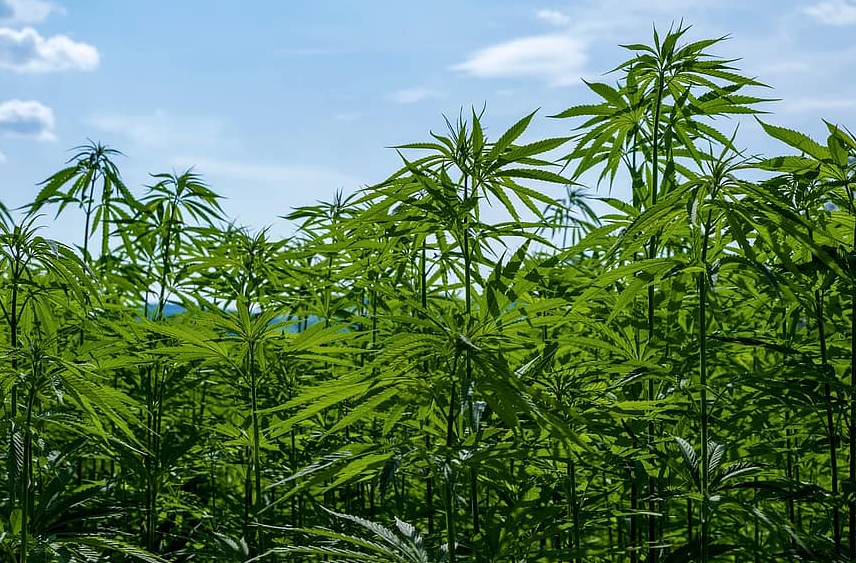
How States Already Tackle Hemp Rules
About half the states have their own hemp THC plans. Kentucky treats drinks like booze with taxes and limits. Others set potency caps and lab tests.
Here are states that already banned key hemp THC items:
| State | Action Taken | Year Started |
|---|---|---|
| Nevada | Full ban on intoxicating hemp | 2024 |
| California | Limits high-THC products | 2024 |
| Washington | Bans Delta-8 and similar | 2023 |
| Alabama | Restricts sales | 2024 |
| Connecticut | Prohibits most THC hemp | 2024 |
| Illinois | Bans smokable hemp | 2025 |
| Pennsylvania | Targets edibles | 2026 |
These moves show states want control. The new bill builds on that trend.
One short note. Tribes get the opt-out too, boosting rural economies.
Industry Fights Back with Real Stakes
Hemp pumps $28.3 billion into the U.S. economy each year. It supports thousands of jobs from farms to stores. In Illinois alone, it backs 13,500 roles and $2.7 billion in sales, per a 2025 state report.
A full ban could wipe out family farms overnight. Senator Paul warns it hurts veterans and seniors who use hemp for pain and sleep.
Eric Zipperle of Cornbread Hemp says states like his have solid rules ready. Age checks and licenses keep things safe.
Thomas Winstanley of Edibles.com calls Paul a hero. The bill sets clear safety bars without killing access.
Farmers face tough calls now. Plant hemp and risk loss? Or switch crops and lose income?
Paul pushes hard. “Prohibition fails every time,” he says. He eyes adding it to the 2026 Farm Bill for a vote soon.
This fight hits home for everyday folks. Hemp helps with anxiety or aches without a doctor’s note. A ban means fewer choices and higher black market risks.
The Hemp Safety Enforcement Act brings hope to a shaky industry. It honors states’ rights while guarding public safety. Farmers might plant again, jobs stay put, and consumers keep trusted products.